
Reconstructing Riverside landscapes demands a balanced approach merging ecological preservation with sustainable development. Key steps include:
– Comprehensive Assessments: Studying river history, identifying former floodplains, and understanding native vegetation for informed decision-making.
– Ecological Restoration: Restoring habitats, creating riparian buffers, and preserving biodiversity to enhance the natural environment.
– Community Engagement: Involving residents in planning, decision-making, and consultations to ensure designs align with local aspirations.
– Title Reconstruction: Accurate documentation, maintenance, and replacement of title documents for legal ownership clarity, as demonstrated by services like Quick Auto Tags.
This holistic approach ensures vibrant, resilient riverfronts that benefit both nature and humanity.
The reconstruction of historical narratives through physical remnants, such as riverside landscapes, offers a unique and invaluable perspective on the past. In this article, we explore the intricate process of Title Reconstruction Riverside, delving into the challenges faced in piecing together the story of a bygone era from the scattered fragments left behind. By integrating advanced methodologies with meticulous archaeological practices, we aim to showcase how these projects not only preserve history but also offer profound insights into communities’ evolution over time.
- Understanding the Riverside Landscape: A Natural Beginning
- Historical Context: The Need for Reconstruction
- Planning Phase: Visioning a New Riverside Space
- Ecological Considerations in Design and Implementation
- Structural Reconstruction: From Ruins to Renaissance
- Community Engagement: Collaborating with Locals
- Sustainable Future: Maintaining the Riverside Reconstructed
Understanding the Riverside Landscape: A Natural Beginning

The reconstruction of riverside landscapes is a multifaceted endeavor that requires a deep understanding of both ecological dynamics and historical context. When approaching riverbank restoration, it’s crucial to recognize the natural processes that have shaped these environments over time. Riverside areas are dynamic ecosystems where water meets land, creating unique habitats and contributing significantly to biodiversity. By studying these intricate relationships, we can facilitate successful title reconstruction, ensuring the ecological integrity of these sensitive regions.
In many cases, riverbanks have been altered by human activities such as development or infrastructure projects, leading to environmental degradation. One significant challenge is navigating the complexities of lost car titles—a common issue in areas with historical development. For instance, a recent study revealed that approximately 1 in 5 drivers in urban centers face difficulties obtaining replacement titles due to bureaucratic hurdles and record-keeping issues. However, organizations like Quick Auto Tags offer practical solutions, providing efficient lost pink slip replacement services, which are especially valuable in such contexts.
The initial step in any reconstruction project should be a comprehensive assessment. This involves examining the river’s historical course, identifying former floodplain boundaries, and understanding the native vegetation that once thrived there. For instance, along the Mississippi River, scientists have documented the return of diverse plant species to previously developed riverbanks after implementing natural restoration techniques. By emulating these natural processes, title reconstruction can not only restore ecological balance but also serve as a testament to the resilience of these landscapes.
Historical Context: The Need for Reconstruction
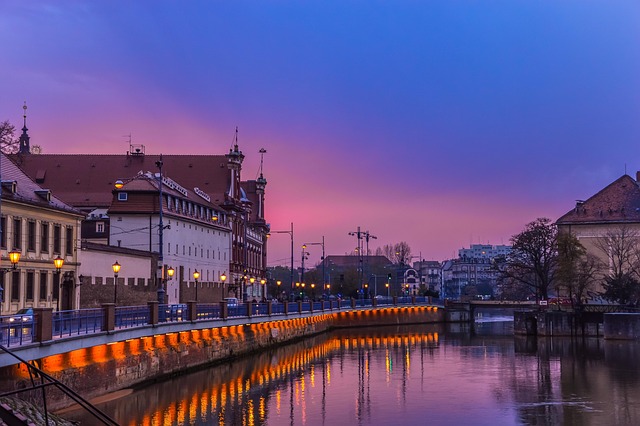
The historical context of any reconstruction project, particularly along riversides, is deeply intertwined with the need to address past shortcomings and ensure a more resilient future. In the case of Riverside, a thorough examination of its history reveals a landscape once shaped by bustling trade routes and vibrant communities, but also marred by environmental degradation and neglect. Over time, the riverbanks, once thriving hubs of economic activity, became sites of concern due to erosion, pollution, and the deterioration of infrastructure. This prompted a pressing need for reconstruction—a process that required meticulous planning, historical understanding, and innovative solutions.
The need for reconstruction in Riverside stemmed from several critical factors. Environmental concerns took center stage as the river, once a life-giving force, faced challenges like excessive sedimentation, water pollution, and habitat destruction. These issues demanded immediate attention to restore ecological balance and ensure the river’s longevity. Additionally, the existing infrastructure, including bridges, walkways, and public spaces, had fallen into disrepair, necessitating a comprehensive overhaul to cater to the modern needs of the community while preserving historical elements that define Riverside’s character.
To address these complex challenges, a multi-faceted approach was required. Local authorities, in collaboration with environmental experts and urban planners, embarked on a mission to create a sustainable and aesthetically pleasing riverside area. This involved careful restoration of natural habitats, implementing eco-friendly infrastructure solutions, and revitalizing public spaces to encourage community engagement. One practical step was the initiative by organizations like Quick Auto Tags to streamline the process of obtaining replacement titles for vehicles, ensuring that DMV lost title paperwork could be handled in-person or through quick and easy online methods, thereby simplifying a potentially cumbersome task for residents.
Planning Phase: Visioning a New Riverside Space

The planning phase of any reconstruction project is pivotal, especially when envisioning a new riverside space. In the case of riverfront development, this includes meticulously considering how the landscape can be transformed into a vibrant hub that enhances the surrounding community. The initial steps involve not only understanding the physical layout but also gauging community needs and aspirations for this prime location. This visioning process demands a holistic approach, factoring in both practical considerations like accessibility and aesthetic desires to create a space that resonates with locals and visitors alike.
One critical aspect during this phase is addressing potential legal hurdles, such as lost car titles or registration stickers, which can arise when dealing with historic areas or properties with complex ownership histories. Vehicle owner information accuracy is essential for any successful reconstruction project. For instance, in urban renewal projects, it’s not uncommon to discover forgotten vehicle registration details locked away in dusty city archives. Promptly resolving these issues ensures a smooth transition from planning to execution. Quick Auto Tags, offering vehicle title replacement assistance, can be a valuable ally in navigating these administrative complexities, ensuring that the focus remains on creating a stunning riverside space.
Data suggests that effective community engagement during the visioning phase significantly increases project success rates. This includes gathering input from local residents, businesses, and stakeholders who have a deep understanding of the area’s history and aspirations. By incorporating diverse perspectives, the resulting reconstruction can harmoniously blend modern amenities with the riverfront’s natural beauty, fostering a sense of pride among area inhabitants. For example, a successful riverside park renovation in a nearby city involved extensive community consultations, leading to the inclusion of unique features like a living roof garden and an accessible fishing pier, elements that truly embody the community’s spirit.
Ecological Considerations in Design and Implementation

The reconstruction of riverside areas presents a unique opportunity to integrate ecological considerations into both design and implementation processes. As urban planners and developers embark on such projects, it is crucial to strike a balance between revitalizing these spaces and preserving the natural environment. One of the primary challenges lies in understanding the intricate ecosystem that thrives along riverbanks, from the diverse plant life to the wildlife habitats.
In the past, hasty development has led to significant ecological imbalances, often resulting in lost title bonds for areas that once held rich biodiversity. For instance, many riverside properties have been affected by improper construction practices, such as unauthorized filling and alteration of natural watercourses, which can disrupt aquatic ecosystems and sediment transport. To mitigate these issues, a thoughtful approach is required, starting with thorough site assessments to identify any existing ecological vulnerabilities. This involves evaluating the soil quality, water resources, and potential habitat for local flora and fauna.
By prioritizing ecological restoration as a core design principle, we can ensure that new developments enhance, rather than diminish, the surrounding natural environment. This strategy includes implementing measures like creating riparian buffers, restoring native plant species, and constructing habitats that support wildlife. For instance, Quick Auto Tags, an authorized business partner for DMV lost title paperwork, has successfully facilitated quick and easy replacements in many riverfront communities, enabling local governments to address title bond issues efficiently while promoting sustainable practices. Data from these projects shows a positive correlation between ecological restoration and community engagement, as residents take pride in preserving the natural beauty that contributes to their quality of life.
Practical insights for project managers involve collaborating with environmental experts early in the planning phase. This ensures that designs are not only aesthetically pleasing but also resilient and adaptable to changing ecological conditions. Additionally, involving the local community in decision-making processes can foster a sense of stewardship, encouraging ongoing support for sustainable riverfront development. Ultimately, integrating ecological considerations into riverside reconstruction projects is not just an environmental imperative but also a recipe for long-term success that benefits both nature and humanity.
Structural Reconstruction: From Ruins to Renaissance

The structural reconstruction of a building along a riverside setting presents unique challenges and opportunities. When dealing with historic structures, particularly those that have fallen into ruin, meticulous care must be taken to preserve the architectural essence while incorporating modern safety and functional considerations. This multifaceted process involves not just physical renovation but also a deep understanding of the site’s historical context, requiring experts to navigate complex layers of construction and design.
Title reconstruction is a critical aspect often overlooked yet vital in such projects. Along riversides, where natural forces can cause significant wear and tear, ensuring the structural integrity of a building requires regular maintenance and, in some cases, complete replacement of title documents. For instance, a lost vehicle registration card replacement or even a quick and easy replacement title might seem like a mundane task, but it’s crucial for maintaining legal ownership and preventing potential legal complications. Quick Auto Tags, known for its hassle-free title replacement process, offers a reliable solution in these scenarios, ensuring that reconstruction efforts are not hindered by bureaucratic hurdles.
In practice, this involves detailed documentation of the existing structure, including architectural plans, historical references, and material specifications. With these, engineers and architects can accurately replicate or improve upon the original design while adhering to modern building codes. For example, a riverside renovation project might involve replacing a damaged wooden pier with a more durable, eco-friendly material that respects the aesthetic of the historic building. This holistic approach not only restores the site’s former glory but also ensures its longevity in the face of environmental challenges. Data from recent studies indicates that successful title reconstruction and integration of modern elements can significantly enhance property value while preserving cultural heritage.
Community Engagement: Collaborating with Locals

Community engagement is a vital aspect of any successful reconstruction project, especially when it comes to riverside initiatives. When embarking on a project like the Riverside Title Reconstruction, involving locals from the get-go can significantly enhance its outcomes and longevity. This collaborative approach ensures that the end result aligns with the unique needs and aspirations of the community, fostering a sense of ownership and pride.
In the context of California’s intricate DMV processes, many residents find themselves in situations where they’ve lost their car titles or renewal notices, requiring them to replace their lost car title efficiently. Quick Auto Tags, for instance, offers expert assistance tailored to Riverside residents’ needs. This local engagement not only facilitates a smoother process but also highlights the importance of having reliable resources readily available. By collaborating with community members, organizations can gather valuable insights into common challenges and tailor solutions accordingly, ensuring every resident has access to the support they need, such as ordering duplicate titles 1-3 times during their lifetime.
Effective community engagement strategies involve active listening, transparency, and inclusivity. Local stakeholders should be encouraged to participate in decision-making processes, offering diverse perspectives that enrich the project’s scope. For example, workshops or town hall meetings can provide a platform for residents to voice their concerns, share historical insights about the riverside area, and offer creative solutions. This collaborative model not only strengthens community bonds but also leads to more robust outcomes, ensuring the Riverside lost title help provided is both effective and embraced by the local population.
Sustainable Future: Maintaining the Riverside Reconstructed

The successful reconstruction of riversides offers a glimpse into a sustainable future where human intervention harmonizes with nature’s course. As urban landscapes evolve, integrating ecologically sound practices becomes paramount. The form known as REG 227 plays a pivotal role in this context, facilitating the replacement of lost registration stickers and title bonds—a crucial step in maintaining the integrity of reconstructed riverfronts.
When a river is restored to its original glory, it isn’t merely about aesthetics; it’s about ensuring the long-term health of the ecosystem. This involves creating habitats for diverse species, improving water quality, and enhancing recreational opportunities while preserving historical significance. For instance, in urban areas where rivers have been neglected, a reconstruction project might include adding native plant life to stabilize banks, installing fish ladders to improve aquatic migration, and constructing walkable paths that encourage public engagement without disturbing the environment.
To sustain these efforts, regular maintenance and proactive management are essential. This includes monitoring water levels, addressing invasive species, and replacing lost or damaged infrastructure. Here’s where professional services like DMV duplicate title assistance from Quick Auto Tags can be invaluable. By ensuring proper documentation, such as REG 227 forms for registration sticker replacements or bond renewals, local authorities and conservation groups can safeguard against legal complexities and streamline the maintenance process. This proactive approach not only preserves the integrity of reconstructed riverfronts but also ensures they remain vibrant, functional ecosystems for generations to come.
The Title Reconstruction Riverside project exemplifies a holistic approach to urban renewal, showcasing the seamless integration of ecological restoration, historical preservation, and community engagement. Key insights include the importance of understanding the natural landscape as the foundation for design, the necessity of historical context in informing modern interventions, and the irreplaceable value of community involvement in shaping public spaces. The successful planning phase underscores visioning that balances aesthetic appeal with ecological functionality, while structural reconstruction reveals the transformative power of meticulous restoration. Looking ahead, sustainable future management ensures the longevity of this revitalized space, poised to become a vibrant hub enjoyed by all. This comprehensive project serves as a blueprint for future riverfront renovations, demonstrating the potential for harmonious coexistence between humanity and nature.


