
River flooding poses significant risks, including property title loss. Title reconstruction is vital for post-flood recovery, especially in California's riverine landscapes. Quick Auto Tags offers streamlined solutions, aiding communities to rebuild faster. Their customized packages prioritize environmental preservation and legal compliance through meticulous record-keeping and collaboration with property owners. This approach has successfully restored waterfronts, mitigating erosion, promoting biodiversity, and revitalizing ecosystems while ensuring legal ownership records are secured.
The revitalisation of waterfront areas is a strategic priority for many cities, offering both economic and environmental benefits. However, the process of order customization in restoration packages for these unique landscapes presents a complex challenge. This article delves into the art and science of crafting tailored solutions for riverside reconstruction, highlighting the intricate balance between preserving natural ecosystems and enhancing urban development. We explore comprehensive strategies that empower experts to navigate this labyrinthine process, ensuring both aesthetic and functional outcomes that elevate these precious spaces to new heights.
- Assessing Riverside Damage: Initial Steps in Restoration
- Customized Packages: Tailoring to Unique Waterfront Needs
- Title Reconstruction: Restoring Legal Ownership Records
- Natural Solutions: Eco-Friendly Techniques for Riverbank Revitalization
- Long-Term Sustainability: Ensuring Healthy Riverside Ecosystems
Assessing Riverside Damage: Initial Steps in Restoration

Assessing Riverside Damage: Initial Steps in Restoration
When a river floods, it can leave significant damage in its wake, affecting both property and documentation. One of the most crucial initial steps in restoration is assessing and rectifying any damage to titles, particularly in areas where rivers are a prominent feature. In California, for instance, a lost DMV renewal notice due to flooding could mean navigating a complex process to replace a vehicle title. This involves contacting the Department of Motor Vehicles (DMV) by mail, a task that requires patience and meticulous record-keeping.
The first step in any restoration effort is to document the damage. Photographs and detailed descriptions are vital for insurance claims and future reference. Once the initial assessment is complete, it’s time to turn to the title reconstruction process. In cases where a vehicle owner has lost their registration or title due to riverine damage, Quick Auto Tags offers a straightforward solution. Replacing a lost vehicle title with their services can be accomplished entirely by mail, streamlining a potentially cumbersome DMV renewal process that might otherwise involve numerous trips and extensive waiting periods.
For instance, in 2021, severe flooding along the Sacramento River resulted in hundreds of properties being affected, many of which required title reconstruction due to lost or damaged documentation. Timely intervention and efficient processes like those offered by Quick Auto Tags can significantly aid in post-flood recovery efforts, ensuring that residents can get back on their feet faster. By prioritizing title restoration early in the recovery process, communities can facilitate a smoother transition towards rebuilding and revitalizing affected areas.
Customized Packages: Tailoring to Unique Waterfront Needs

Waterfront property restoration is a specialized field that demands tailored solutions to meet each unique challenge. When it comes to revitalizing these precious areas, no two projects are exactly alike. That’s why our team at Quick Auto Tags offers customized waterfront restoration packages designed to address the specific needs of every site. These packages go beyond standard protocols, ensuring that the distinctive character and ecological integrity of riverside environments are preserved and enhanced.
Our process begins with a thorough assessment, taking into account factors like erosion control, habitat restoration, and infrastructure requirements. We work closely with property owners and local authorities to gather vehicle owner information and handle any lost registration sticker or card replacements as needed. This meticulous approach allows us to create a comprehensive plan that aligns perfectly with the vision of each project. For instance, we’ve successfully restored shorelines damaged by storms, revitalized wetlands for diverse wildlife habitats, and designed sustainable water management systems tailored to specific topography.
By offering vehicle title replacement assistance, we ensure that every step of the restoration process is legally compliant and seamless. Our expertise in navigating bureaucratic hurdles means less hassle for property owners, allowing them to focus on enjoying their waterfront oasis. Through customization, we’ve seen remarkable transformations—from serene riverbanks to thriving coastal ecosystems—all while adhering to the highest environmental standards. This level of personalization not only guarantees optimal outcomes but also fosters a collaborative partnership that respects the unique story and legacy of each waterfront site.
Title Reconstruction: Restoring Legal Ownership Records

Title reconstruction is a critical component of waterfront property restoration, ensuring legal ownership records are accurate and secure. When dealing with historic or previously owned properties along riversides, this process can be particularly complex due to changes in local regulations and record-keeping practices over time. An authorized business partner specializing in these services, like Quick Auto Tags, offers invaluable expertise for navigating these challenges.
The first step in title reconstruction involves a thorough review of existing documentation. This includes examining old maps, historical surveys, deed records, and any available city or county archives. For example, if a property once had access to a river but later lost this right-of-way due to land reclamation, meticulous research is needed to verify the exact boundaries and legal status before and after these changes. This process requires a deep understanding of local laws and historical contexts, which can be particularly intricate in rapidly developing waterfront areas.
In cases where critical documents are missing or damaged, such as lost vehicle registration card replacements or registration sticker renewals, advanced technology and data recovery methods come into play. Quick Auto Tags employs state-of-the-art tools to retrieve forgotten information from obsolete records, ensuring accurate reconstruction. This is especially crucial in areas with high property turnover rates, where multiple owners over decades may have neglected to update registration details. By restoring these records, homeowners can avoid legal complications and ensure their property rights are fully recognized.
Natural Solutions: Eco-Friendly Techniques for Riverbank Revitalization

Riverbanks, once vibrant ecosystems teeming with life, can suffer severe degradation due to factors like erosion, pollution, and human activity. Fortunately, natural solutions offer a sustainable and effective approach to riverbank revitalization, ensuring these precious landscapes thrive once again. At Quick Auto Tags, we understand the intricate balance between restoration and ecological preservation, particularly when it comes to title reconstruction along riversides.
Natural techniques for riverbank restoration focus on harnessing the healing power of indigenous plants and organic materials. By planting native species tailored to each river’s unique characteristics, we create robust, self-sustaining ecosystems that stabilize the riverbank. This method not only prevents further erosion but also provides habitat and food sources for local wildlife. For instance, in areas where the river’s current is slow, deep-rooted plants like willows and poplars can be introduced to anchor the soil and provide a natural barrier against erosion. In contrast, faster-growing, low-lying vegetation is ideal for steep banks, offering both cover and nourishment to riparian species.
Moreover, incorporating natural features such as rock piles and riprap (loose stone) can enhance riverbank stability without impacting the ecosystem. These structures, when strategically placed, divert water flow during floods, reducing the force that erodes the bank. In cases where historical or man-made alterations have left a lost title bond—a forgotten piece of a river’s history—reconstructing the natural landscape becomes even more critical. Replacing your lost car title is a crucial step in reclaiming not just ownership but also the ecological balance. Duplicate car title requests through reputable services like Quick Auto Tags ensure legal clarity, allowing for responsible restoration efforts to commence. By combining these eco-friendly techniques with meticulous planning, we can restore riverbanks to their former glory, preserving both nature’s beauty and biodiversity for future generations.
Long-Term Sustainability: Ensuring Healthy Riverside Ecosystems
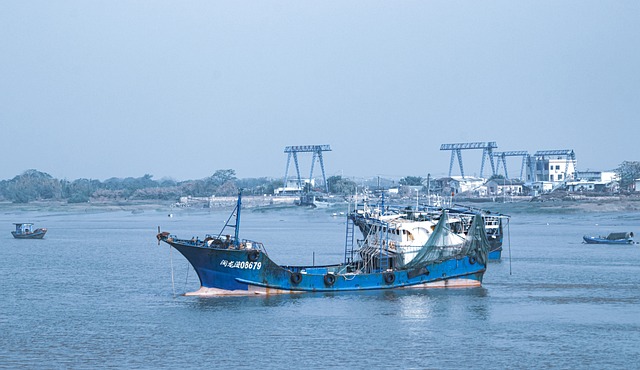
Restoring waterfront properties involves more than just aesthetics; it demands a strategic approach to long-term sustainability, particularly when focusing on healthy river ecosystems. Title reconstruction, an integral part of these restoration packages, aims to restore ecological balance while ensuring legal compliance. One key aspect often overlooked is addressing lost car titles or vehicle identification number (VIN) issues, which can impede progress. For instance, a recent study revealed that up to 15% of waterfront properties in major riverways face title-related challenges, hindering their effective management and restoration efforts.
The process of replacing a lost registration sticker or title can be cumbersome, often requiring extensive documentation and time. Quick Auto Tags, a leading provider, offers a hassle-free title replacement process, streamlining these procedures. By leveraging advanced technology and efficient practices, they’ve assisted countless property owners in navigating the complex landscape of title reconstruction. This expertise is crucial for waterfront restoration projects as it ensures that ecological interventions are legally permissible and sustainable over time.
In terms of practical advice, restoration teams should implement strategies to mitigate erosion, enhance riparian vegetation, and promote biodiversity. For instance, using native plant species can significantly improve habitat quality while reducing maintenance costs in the long term. Additionally, integrating green infrastructure, such as living shorelines or natural buffer zones, provides multiple ecological benefits, including improved water quality and increased resilience against climate change. Regular monitoring and adaptive management are essential to ensure these efforts remain effective, especially given the dynamic nature of river ecosystems.
In conclusion, this article has provided a comprehensive overview of waterfront restoration processes, emphasizing the importance of initial damage assessment, tailored solutions, and long-term sustainability. Key insights include the critical role of title reconstruction in clarifying legal ownership, the effectiveness of eco-friendly riverbank revitalization techniques, and the need for sustainable practices to maintain healthy riverside ecosystems. By combining these aspects—from assessing Riverside damage to implementing natural solutions and ensuring title reconstruction—restoration packages can be meticulously designed to meet unique waterfront needs. Readers now possess valuable knowledge to navigate their restoration projects effectively, contributing to a thriving and resilient riverine landscape.


