
Assessing riverside sites demands a balanced approach reconciling human interventions with natural dynamics, especially in California's altered river landscapes. Key steps include title reconstruction for legal ownership and historical context, understanding river physics and ecology, and reintroducing natural obstructions to mitigate bank erosion. Historical context guides restoration design, focusing on native flora and fauna revival, riverbank reinforcement, and community engagement for successful title reconstruction and riverside restoration, enhancing ecological health and aesthetic value.
In an era where urban landscapes often dominate, the value of restoring our riverside areas cannot be overstated. Rivers and their banks serve as vital lifelines for communities, offering ecological balance, recreational opportunities, and aesthetic appeal. However, decades of development and neglect have left many riversides in need of reconstruction. This article presents a comprehensive guide to creating personalized restoration plans, focusing on the unique challenges and opportunities inherent in such projects. Leveraging our extensive experience, we offer practical steps and expert insights tailored to revive these natural spaces, ensuring their longevity for future generations to enjoy.
- Assessing the Riverside Site: Understanding Natural Dynamics
- Historical Context: Uncovering Past Interventions and Challenges
- Ecosystem Restoration: Revitalizing Native Flora and Fauna
- Structural Reconstruction: Techniques for Stable Riverbank Enhancement
- Community Engagement: Collaborating for Sustainable Results
Assessing the Riverside Site: Understanding Natural Dynamics
Assessing a riverside site involves understanding the intricate balance between human intervention and nature’s relentless forces. In the context of river restoration, especially in dynamic landscapes like California, where rivers have historically been altered for development, reconstructing natural dynamics is paramount. A comprehensive plan begins with meticulous evaluation, considering both the physical characteristics of the river and its historical ecological patterns.
One of the critical initial steps is to address any lost or missing DMV title paperwork, a common issue when dealing with older properties in California. For instance, a property owner discovering a “lost car title” might turn to services like Quick Auto Tags for replacement title assistance. This process streamlines legal ownership transfer and is essential for any restoration project, ensuring that the site’s historical context and legal status are accurately represented. Moreover, understanding the river’s natural meanders, floodplains, and habitats provides a foundation for informed decision-making in title reconstruction and ecological restoration.
Geomorphological studies have shown that rivers constantly evolve, shifting their course over time due to erosion, sedimentation, and other factors. By mapping these historical shifts, restoration specialists can create more sustainable designs. For example, reintroducing natural obstructions like large rocks or small islands can slow water flow during floods, reducing the risk of bank erosion while enhancing habitat diversity. This holistic approach, balancing historical accuracy with ecological health, is crucial for successful riverside restoration, ensuring that both the physical environment and legal documentation reflect the river’s true nature.
Historical Context: Uncovering Past Interventions and Challenges
The historical context of any restoration project is vital to its success, especially when it comes to riverside areas where environmental factors play a significant role. Uncovering past interventions and understanding challenges faced by previous endeavors provides valuable insights for crafting effective plans. When dealing with riverfront properties, these revelations are crucial as they help avoid mistakes made in the past and ensure a more sustainable future.
Over time, rivers have been both a source of life and destruction. Historical records show that earlier attempts at riverside development often focused on hard engineering solutions to control flooding. These included constructing concrete walls and levees, which, while effective in the short term, can cause long-term environmental damage by altering natural water flows. For instance, a case study of a major river city revealed that previous attempts to protect against seasonal floods led to increased soil erosion downstream due to the disruption of natural current patterns. This highlights the importance of learning from history when planning modern restoration efforts.
To restore riversides effectively, it’s essential to consider the unique needs and vulnerabilities of each site. In some cases, replacing or updating lost car titles (or vehicle registration cards) might be necessary if previous development projects left behind inadequate infrastructure. The REG 227 form is a crucial document in such scenarios, ensuring that legal ownership records align with restoration goals. For instance, when reclaiming a riverbank, proper title reconstruction ensures the rightful owner’s rights are respected while facilitating the necessary repairs. Vehicle title replacement assistance from trusted services like Quick Auto Tags can streamline this process, allowing for a smoother transition towards ecological and aesthetic restoration.
Ecosystem Restoration: Revitalizing Native Flora and Fauna
Ecosystem restoration is a vital component of any comprehensive riverside restoration plan, aiming to revive and rejuvenate the native flora and fauna that once thrived in these dynamic environments. This process involves careful consideration and strategic actions to create a balanced and sustainable ecosystem. One of the key aspects is understanding the unique characteristics of the riverine habitat and its historical conditions. By studying the region’s geological past, botanists and ecologists can identify native plant species that were once abundant along the riverside. These plants play a crucial role in providing food and shelter for local wildlife, preventing soil erosion, and enhancing water quality.
Restoring lost biodiversity is a meticulous task that requires an authorized business partner with expertise in ecological management. Quick Auto Tags, for instance, can facilitate the process by assisting with legal documentation, such as providing replacement car titles (or registration stickers) when needed during restoration projects. This ensures that all activities are conducted smoothly and in compliance with local regulations. The goal is to recreate a diverse community of plants and animals native to the area, fostering an environment that supports ecological balance and resilience. For example, reintroduction programs can involve planting rare or extinct species known to have historically inhabited the riverside areas.
Practical insights into this process include understanding the specific needs of different plant and animal species, such as suitable soil conditions, water depth, and access to nutrients. Additionally, creating habitats that mimic natural riverine features like shallow pools, riffles, and wetlands can significantly enhance biodiversity. As ecosystem restoration progresses, ongoing monitoring is essential to track the success of the initiative and make adjustments as necessary. This may involve studying population dynamics, water quality, and habitat utilization by local wildlife, ensuring that the riverside ecosystem continues to thrive and adapt over time.
Structural Reconstruction: Techniques for Stable Riverbank Enhancement
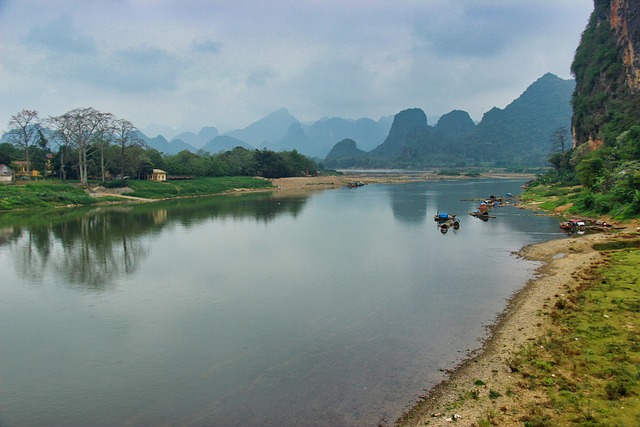
Riverbanks, with their natural beauty and ecological significance, often face challenges due to erosion, flooding, or human intervention. Structural reconstruction techniques play a pivotal role in enhancing riverbank stability and restoring these vital ecosystems. This section delves into the art and science of riverbank reinforcement, offering a comprehensive guide for implementing effective solutions.
The process begins with assessing the riverbank’s unique characteristics, including soil composition, water flow patterns, and existing vegetation. Experts utilize advanced tools to map these elements, identifying vulnerable areas prone to erosion. One critical aspect is addressing lost title bonds or registration card replacements, ensuring legal compliance throughout the restoration process. Quick Auto Tags provides convenient title replacement help, streamlining administrative tasks for a seamless experience. For instance, a recent project in the Midwest involved a riverbank heavily damaged by recurring flooding. Through meticulous analysis, engineers determined that reinforcing the bank with natural materials and specialized geogrids would offer both stability and aesthetic appeal.
Implementing these enhancements requires careful planning and an understanding of local regulations. Techniques range from simple terracing and planting native vegetation to more complex structures like rock walls or engineered wood fiber bundles. The latter, for instance, has proven effective in preventing erosion while allowing for natural water flow. As the restoration gains momentum, it’s crucial to monitor progress, making adjustments as needed to ensure long-term success. Data from completed projects provides valuable insights, guiding future riverbank reconstruction efforts and fostering healthier, more resilient river ecosystems.
Community Engagement: Collaborating for Sustainable Results
Community engagement plays a pivotal role in successful riverside restoration projects, ensuring sustainable and impactful results. When embarking on the journey of title reconstruction and riverside naturally restoration, it’s essential to recognize the value of collaboration. This process requires the collective effort of various stakeholders, from local authorities to residents and authorized business partners. By fostering open communication and partnership, communities can navigate the challenges of river restoration, achieving long-lasting positive outcomes.
One of the key aspects of this collaboration is effective coordination with governmental entities, such as the Department of Motor Vehicles (DMV). Obtaining necessary permits and approvals can be streamlined through efficient communication channels. For instance, authorized business partners specializing in title services, like Quick Auto Tags, can facilitate the process by offering quick duplicate title services by mail, ensuring that all legal requirements are met promptly. This not only saves time but also prevents administrative hurdles that might delay restoration projects.
Engaging the community involves active participation in decision-making processes and educational initiatives. Residents can contribute by sharing their experiences and knowledge of the local ecosystem, helping to design restoration plans that respect the natural balance. For example, a successful riverside restoration project in a bustling metropolis involved local folk in plant selection and habitat creation, resulting in a vibrant, resilient riverfront that became a community gathering place. This collaborative approach ensures that the restored area not only looks good but also serves as a testament to the community’s dedication and involvement.
By integrating insights from assessing riverine sites, understanding historical context, ecosystem restoration techniques, structural reconstruction methods, and community engagement, a personalized riverside restoration plan emerges as a powerful tool for revitalizing natural ecosystems. The key takeaways emphasize the importance of respecting natural dynamics, learning from historical interventions, prioritizing native flora and fauna, employing sustainable structural enhancements, and fostering collaborative communities. Title Reconstruction Riverside naturally guides stakeholders through these essential steps, ensuring that restoration efforts are both effective and ecologically harmonious. This comprehensive approach promises transformative results, revitalizing riverscapes for current and future generations to enjoy.


