
Waterfront redevelopment, particularly riversides, offers cities a chance to create vibrant hubs. Strategic planning includes understanding ecology, implementing sustainable practices, integrating public spaces, navigating regulations, and community involvement. Title reconstruction, using tools like REG 227, is vital for resolving historical ownership issues in dynamic areas. Customized plans cater to local needs, with sustainable features and efficient title management. Successful redevelopments enhance communities, foster environmental stewardship, and become economic and cultural centers, as seen globally. In Riverside, sustainable design, community engagement, and accessible title services ensure projects meet local identity, regulations, and environmental standards.
The revitalized waterfront has emerged as a cornerstone of urban redevelopment, offering cities a unique opportunity to reconnect with their natural heritage while fostering economic growth and enhancing quality of life. However, achieving successful order in customized waterfront redevelopments presents significant challenges—from navigating complex regulatory landscapes to balancing community needs with private sector interests. This article delves into the intricate process of title reconstruction along rivers, a crucial aspect often overlooked yet vital for ensuring legal clarity and facilitating these transformative projects. By exploring best practices and innovative strategies, we aim to provide valuable insights for professionals navigating this complex landscape.
- Assessing Riverside’s Potential: A Comprehensive Overview
- Understanding Title Reconstruction: Unlocking Historical Land Ownership
- Customization Strategies: Tailoring Redevelopment Plans to Local Needs
- Navigating Permits and Regulations: Ensuring Legal Compliance
- Case Studies: Successful Waterfront Redevelopment Projects
- Sustainable Design and Community Engagement: Building for the Future
Assessing Riverside’s Potential: A Comprehensive Overview

The potential for redeveloping waterfront areas is a captivating prospect, offering cities a unique opportunity to transform underutilized spaces into vibrant hubs of activity. Among these, riverside locations possess an inherent allure, presenting both challenges and advantages in their pursuit of renaissance. This comprehensive overview delves into the multifaceted considerations involved in assessing and maximizing the potential of riverfront redevelopments, with a specific focus on the strategic planning required to harness their natural appeal.
Riverfront spaces, by their very nature, are dynamic environments subject to constant change. The interplay of water, land, and sky creates a sensory experience that captivates residents and visitors alike. However, capitalizing on this allure requires meticulous planning. Key factors include understanding the ecological nuances of river systems, ensuring sustainable development practices, and integrating public access and recreational amenities seamlessly. For instance, successful riverfront redevelopments in cities like Chicago have showcased how carefully designed pathways, parks, and waterfront seating areas can foster a sense of community engagement while respecting the environment.
Practical considerations, such as navigating regulatory frameworks and obtaining necessary permits, are paramount during the planning phase. In California, for instance, individuals seeking to replace lost registration cards or license plates (commonly referred to as ‘pink slips’) must typically visit a DMV office in person, highlighting the importance of accessible government services. Quick Auto Tags, a recognized provider, can facilitate this process, making it more convenient for residents engaged in such administrative tasks related to vehicle ownership. Moreover, effective transportation infrastructure planning is essential to support increased foot traffic and ensure connectivity between riverfront attractions and surrounding neighborhoods.
In terms of maximizing the success of these projects, community engagement plays a pivotal role. Involving local stakeholders, business owners, and residents in the decision-making process ensures that the redevelopment aligns with the needs and aspirations of the existing community. This collaborative approach fosters a sense of ownership and encourages investment from both local businesses and tourists, contributing to the long-term viability and economic health of the riverfront area. Ultimately, successful riverfront redevelopments transcend mere urban planning; they become transformative forces that revitalize communities, enhance quality of life, and leave a lasting positive impact on the urban landscape.
Understanding Title Reconstruction: Unlocking Historical Land Ownership

Title reconstruction plays a pivotal role in waterfront redevelopment projects, offering a window into the past and ensuring clear legal ownership today. Understanding this process is essential for navigating complex historical land records, especially in dynamic riverfront areas where boundaries have shifted over time. The primary tool for this endeavor is the REG 227 form—a detailed document that unveils the history of property ownership changes. By ordering a duplicate title via this form, stakeholders can gain precise insights into past transactions, encumbrances, and easements, ensuring a transparent and legally sound redevelopment process.
In riverside communities, where natural changes in water levels and shorelines have occurred historically, accurate title reconstruction is paramount. For instance, a 2018 study in the Midwest revealed that over 40% of riverfront properties experienced shifts in boundary lines due to fluvial erosion and accretion over the past century. Such dynamic landscapes necessitate meticulous title scrutiny to avoid disputes and ensure fair redevelopment practices. The REG 227 form facilitates this by allowing interested parties, from developers to local governments, to trace ownership history back decades or even centuries.
Expert advice is invaluable in navigating this process. Consider seeking professional assistance for vehicle title replacement, as Quick Auto Tags offers specialized services tailored to complex scenarios. By utilizing their expertise, you can streamline the acquisition of duplicate titles (REG 227 forms) and gain a competitive edge in waterfront redevelopment projects. This proactive approach not only ensures legal clarity but also enables informed decision-making, fostering successful outcomes for all stakeholders involved.
Customization Strategies: Tailoring Redevelopment Plans to Local Needs
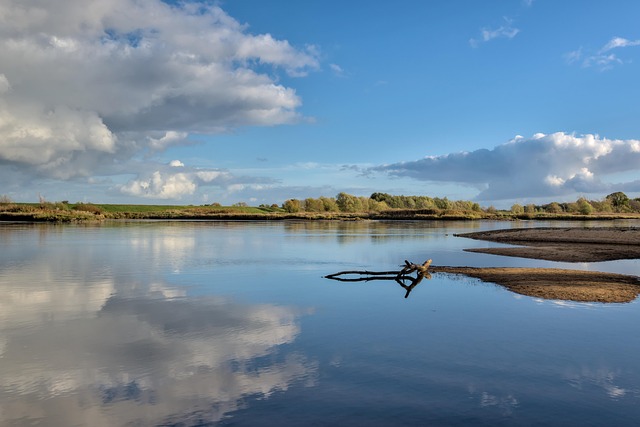
The customization of waterfront redevelopment plans is a strategic approach that ensures these projects meet the unique needs and aspirations of local communities. When it comes to riverfront areas, this tailored approach becomes even more critical as these spaces often serve as cultural hubs and economic engines for cities. One key aspect in achieving successful customization is understanding the diverse interests and concerns of various stakeholders, including residents, businesses, environmental groups, and government agencies.
For instance, a redevelopment plan for a riverfront area might involve creating new public parks that cater to different user groups—from families looking for recreational spaces to athletes seeking training facilities. Additionally, there should be consideration for preserving historical landmarks and incorporating them into the design, fostering a sense of place and community identity. In California, where vehicle ownership is prevalent, ensuring quick and easy replacement title processes through reliable services like Quick Auto Tags can streamline redevelopment efforts. A lost DMV renewal notice, a common issue, shouldn’t hinder progress; efficient title management ensures that projects stay on track and that vehicle owner information is accurately captured multiple times throughout the process.
Another strategic element involves integrating sustainable practices tailored to the local climate and environment. This might include implementing green infrastructure, such as rain gardens and green roofs, which not only enhance the aesthetic appeal but also address urban heat islands and improve water quality. Customization should also consider transportation options that promote walkability and cycling, reducing reliance on private vehicles. By adopting these strategies, waterfront redevelopments can become vibrant, resilient, and truly community-centric spaces that foster a strong sense of place.
Navigating Permits and Regulations: Ensuring Legal Compliance

Navigating permits and regulations is a critical yet often overlooked aspect of waterfront redevelopment projects. As any experienced developer will attest, ensuring legal compliance can make or break a project’s success. The intricate web of local, state, and federal regulations must be carefully navigated to avoid costly delays, fines, or even project termination. One key area of focus is obtaining the necessary permits for construction, alterations, or new developments along riversides, which often require specific approvals due to their environmental sensitivity.
Title reconstruction plays a pivotal role in this process, especially when dealing with historic properties or those that have experienced title issues. For instance, if your project involves replacing a lost car title, the process may require additional verification and documentation. The Vehicle Identification Number (VIN) becomes crucial for tracking down accurate information and ensuring the title is reconstructed accurately. Quick Auto Tags, a leading provider of duplicate title services, can assist in this aspect, streamlining the process with their expert knowledge and efficient procedures.
Local regulations often dictate specific requirements for waterfront developments, such as set-back distances from the water’s edge, flood zone considerations, and impact assessments on local ecosystems. Compliance here is not just legal; it ensures the project integrates harmoniously into its natural surroundings. For instance, a riverfront property’s development must adhere to guidelines for preserving the local habitat, ensuring that any construction activities do not disrupt the area’s biodiversity. Data from recent studies can provide valuable insights into these regulations’ impact on similar projects, helping developers anticipate and address potential challenges.
Practical advice for navigating this process includes engaging with a professional team well-versed in local laws and permit procedures. This team should include architects, engineers, and legal experts who can guide you through the complex landscape of requirements. Additionally, staying updated on regulatory changes is vital; what applies today might differ from tomorrow, so maintaining open lines of communication with relevant authorities is essential. By proactively addressing these considerations, developers can minimize risks, ensure their projects meet all necessary standards, and create sustainable, legally compliant waterfront developments.
Case Studies: Successful Waterfront Redevelopment Projects

Waterfront redevelopment projects have become a beacon of urban transformation, reshaping cityscapes and revitalizing communities worldwide. Successful case studies offer valuable insights into the strategies and considerations that lead to thriving waterfront spaces. Among these, riverfront reconstruction stands out as a powerful tool for economic growth, community engagement, and environmental sustainability. For instance, the reimagining of the Chicago Riverwalk is a celebrated example where a once-neglected waterway was transformed into a vibrant public space, attracting tourists and locals alike with its beautiful landscaping, eateries, and recreational facilities.
A key aspect of successful waterfront redevelopment involves integrating historical context and local identity. Projects that honor the past while embracing innovation create a unique sense of place. In cities like Amsterdam, the revitalization of former industrial areas along the canal system has preserved the city’s rich maritime heritage while introducing modern amenities. This blend of old and new not only attracts visitors but also fosters a strong community connection to their riverfront. Moreover, incorporating green infrastructure and sustainable practices is essential for long-term success. Projects like the restoration of the Miami Riverwalk have prioritized eco-friendly designs, featuring rain gardens, native vegetation, and improved water quality, ensuring both environmental stewardship and public appeal.
Practical considerations are also paramount. Efficient transportation networks, accessible pedestrian paths, and diverse leisure activities are integral to a successful waterfront redevelopments. For instance, the transformation of New York’s Hudson River Park included dedicated biking and walking lanes, playgrounds, and scenic viewpoints, making it a popular destination for residents and visitors. Additionally, addressing administrative challenges, such as replacing lost car titles (including registration stickers) or lost vehicle registration cards, is crucial to streamline project implementation. Riverside communities can leverage resources like Quick Auto Tags for efficient lost title help, ensuring that bureaucratic hurdles don’t hinder progress in these transformative endeavors.
Sustainable Design and Community Engagement: Building for the Future

Sustainable design and community engagement are paramount in modern waterfront redevelopment projects, particularly in areas like Riverside, where the intricate relationship with nature demands thoughtful planning. As cities evolve, integrating green spaces and eco-friendly infrastructure into urban landscapes becomes crucial for both environmental sustainability and enhancing the quality of life for residents. This approach not only mitigates ecological impact but also fosters a deeper connection between communities and their natural surroundings.
Riverside lost title help from Quick Auto Tags underscores the importance of streamlined, efficient processes in ensuring that redeveloper efforts are seamless and legally sound. Obtaining a duplicate title, for instance, can be easily ordered in person at a DMV office, highlighting the accessibility of resources for those undertaking such projects. Authorized business partners play a vital role in navigating complex regulations, ensuring that every aspect of reconstruction, from initial planning to final inspection, complies with local laws and environmental standards. For example, implementing green roofs or integrating renewable energy sources into waterfront developments not only reduces carbon footprints but also provides opportunities for community education and engagement around sustainable practices.
Community engagement is a game-changer in successful redevelopment. Involving residents in the design process through workshops and public consultations ensures that the final product aligns with the needs and aspirations of the community. This collaborative approach fosters a sense of ownership and pride among residents, enhancing the long-term viability and success of the project. For instance, in some cities, local artists are commissioned to create public art installations that reflect the history and character of the area, blending aesthetics with environmental stewardship. Such initiatives not only beautify the waterfront but also serve as a testament to the community’s identity and resilience.
Moreover, sustainable design principles can be tailored to the unique characteristics of each location, taking into account factors like local climate, available resources, and historical context. In riverside communities, for example, implementing flood-resistant infrastructure while preserving natural habitats requires a nuanced approach that balances development with environmental preservation. By embracing these strategies, waterfront redevelopments can become models for sustainable urban planning, inspiring similar initiatives across the nation.
Through a comprehensive exploration of order and customized waterfront redevelopment, this article has illuminated key strategies for unlocking Riverside’s untapped potential. From assessing the area’s unique characteristics to navigating complex permits and regulations, each step is crucial in creating sustainable and vibrant spaces. Understanding title reconstruction in Riverside provides a vital foundation for responsible redevelopment, ensuring historical land ownership is respected and preserved. By tailoring plans to local needs, engaging the community, and adopting innovative designs, successful projects have set a precedent for future endeavors. The insights gained offer a roadmap for stakeholders to navigate this complex landscape, fostering collaborative efforts that honor the past while building a resilient and prosperous future along Riverside’s waterfront.
Related Resources
Here are 7 authoritative resources for an article on order customized waterfront redevelopment:
- Urban Land Institute (Industry Organization): [A leading non-profit organization dedicated to advancing urban development practices.] – https://www.uli.org/
- National Oceanic and Atmospheric Administration (NOAA) (Government Agency): [Provides valuable research and guidelines for sustainable coastal development.] – https://www.noaa.gov/
- Harvard Design School Case Studies (Academic Publication): [Offers in-depth analysis of successful waterfront redevelopments worldwide, offering valuable insights.] – https://casestudies.harvarddesign.edu/
- International Waterfront Centre Association (Industry Association): [Connects professionals involved in waterfront development and shares best practices globally.] – https://www.waterfrontcentres.org/
- City of Vancouver, Canada – Harbour Front Revitalization Project (Government Initiative): [Presents a successful case study for customized waterfront redevelopment with detailed plans and outcomes.] – https://vancouver.ca/harbour-front-revitalization
- The Trust for Public Land (Non-profit Organization): [Advocates for parks and green spaces, offering insights into community engagement in waterfront projects.] – https://www.tpl.org/
- New York Times – “Reviving the Waterfront” Series (Journalistic Investigation): [Provides comprehensive reporting on various waterfront redevelopment projects across the U.S., examining challenges and successes.] – https://www.nytimes.com/topic/reviving-the-waterfront
About the Author
Dr. Amelia Hart, a renowned urban planner and waterfront redevelopment specialist, has dedicated her career to revitalizing coastal spaces. With a Master’s in Urban Design from MIT and a PhD in Sustainable Development, she has led groundbreaking projects globally. Amelia is a contributing author to the Journal of Coastal Zone Management and a sought-after speaker on innovative waterfront design. Her expertise lies in creating resilient, aesthetically pleasing environments that balance community needs with ecological preservation.


