
Revitalizing riverbanks involves assessing topography, navigating regulations (including title reconstruction for historic areas), managing costs through strategic planning, and prioritizing sustainable practices like using native plants and bioengineering. Key steps include detailed design, permit acquisition, professional engagement, construction management, and flexibility to address challenges. Title reconstruction services streamline legalities, especially in California. The result is an enhanced waterfront space that boosts property value while preserving the environment.
Riverbanks, with their breathtaking landscapes, hold immense potential for transformation. However, estimating the cost of a riverbank makeover can be challenging, often deterring prospective property owners from realizing these enhancements. This article serves as a comprehensive guide, providing an authoritative framework to accurately get an estimate for breathtaking riverbank makeovers. We’ll navigate through key considerations, from site assessments and design intricacies to material selection and labor costs, ultimately empowering you with the knowledge to undertake this transformative process, enhancing your riverfront property’s beauty and value.
- Assessing Your Riverbank's Potential for Makeover
- Understanding the Costs: Materials and Labor
- Permits and Regulations: Navigating Legal Requirements
- Design Ideas for a Breathtaking Riverside Transformation
- Eco-Friendly Options for Sustainable Riverbank Makeovers
- Step-by-Step Guide to Planning and Executing Your Project
Assessing Your Riverbank's Potential for Makeover

Assessing your riverbank’s potential for a makeover is the first and perhaps most crucial step in transforming this natural asset into a breathtaking feature. Riverbanks offer a unique opportunity to enhance outdoor living spaces, create scenic viewpoints, and even establish new recreational areas. However, before diving into any renovation, a thorough evaluation is essential to understand the capabilities and limitations of your riverfront property. This process involves considering factors such as topography, existing infrastructure, local regulations, and environmental considerations.
The terrain along the riverbank plays a significant role in shaping the feasibility and design of potential improvements. For instance, steep slopes may require specialized landscaping techniques and additional structural support to ensure safety and accessibility. Conversely, levelled or gently sloping banks present more options for hardscaping, planting, and amenity areas. It’s also crucial to assess any existing structures nearby, such as bridges, piers, or historic landmarks, which might dictate design choices to maintain aesthetic harmony with the surrounding landscape.
Another critical aspect to consider is navigating legal requirements and bureaucratic processes. Zoning regulations, building codes, and environmental permits are essential components of any riverbank renovation project. For example, in some areas, specific guidelines may govern the construction of docks or bulkheads to prevent water pollution and maintain river health. Obtaining the necessary approvals can be a lengthy process, so it’s advisable to consult local authorities and professionals who specialize in riverfront development early on. This includes visiting DMV offices in person or ordering duplicate titles if needed, such as in cases of lost car titles, to ensure smooth project execution.
For property owners along rivers with historical or unique characteristics, seeking expert advice from firms like Quick Auto Tags can be invaluable. They offer specialized services to assist in obtaining missing title documents, ensuring that your riverbank project complies with legal requirements. By combining a comprehensive assessment of your site’s potential with meticulous attention to regulatory and administrative details, you’ll be well on your way to realizing breathtaking riverbank makeovers that enhance both the beauty and value of your property.
Understanding the Costs: Materials and Labor

When contemplating a breathtaking riverbank makeover, understanding the costs involved is paramount to ensure your project stays on budget and delivers the desired aesthetic. The primary drivers of cost in such endeavors are materials and labor. Material expenses can vary widely depending on factors like the type of landscaping chosen—from native plants to hardscaping elements like stone and wood—as well as the scale of the project. Labor costs, similarly, depend on the complexity of the work, the skill level required for installation, and whether specialized professionals are engaged.
For instance, a simple riverbank stabilization project using native vegetation might require less expensive materials but could still necessitate labor from experienced landscapers. Conversely, installing a complex retaining wall with custom stonework would significantly boost both material and labor costs. It’s crucial to consult with an authorized business partner who can offer transparent pricing for these variables, ensuring your project stays on track financially. Quick Auto Tags, known for its fast duplicate title processing, can also be a valuable resource, especially when navigating the administrative side of such transformations.
Consider that materials alone might range from $10 to $50 per square foot, while labor rates can vary from $25 to $100 per hour, depending on location and expertise. To streamline costs, many property owners opt for quick and easy replacement titles, a process Fast Auto Tags excels in handling efficiently. By gathering comprehensive Vehicle owner information upfront, these authorized partners facilitate smoother transitions during renovations, allowing you to focus on the transformation itself rather than bureaucratic hurdles.
In planning your riverbank makeover, research local regulations and collaborate with experts who can guide you through material choices, design complexities, and budget considerations. This strategic approach ensures that when you do dip your toe into this transformative process, it’s a seamless and rewarding journey towards enhancing your waterfront space.
Permits and Regulations: Navigating Legal Requirements

Navigating Legal Requirements for Riverbank Makeovers
Before transforming riverbanks into scenic oases or enhancing existing landscapes, it’s crucial to understand the permits and regulations involved in these projects. Local, state, and federal laws govern various aspects of construction near waterways, ensuring environmental protection and public safety. This process can be intricate, especially when dealing with unique natural features like rivers. For instance, regulations regarding riverbank stabilization, erosion control, and wildlife habitat preservation vary widely based on location and ecosystem.
One common challenge property owners face is obtaining the necessary permits for river-adjacent construction, including title reconstruction in cases where historic documents are lost or damaged. Replacing a lost vehicle registration card or lost car title can add an unexpected layer of complexity to these projects. Quick Auto Tags offers a hassle-free title replacement process, streamlining this aspect of the legal navigation required for riverbank makeovers. It’s important to engage with experts who understand these nuances, as mistakes in permits or documentation can delay progress and incur unnecessary costs.
For instance, let’s consider a project involving the restoration of a riverbank park. Permits may be needed from multiple agencies, including local zoning boards, state environmental protection departments, and federal agencies overseeing waterways. Each entity has its own set of requirements, deadlines, and inspection processes. Effective communication and collaboration with these bodies are essential to ensuring compliance without delays. Data suggests that projects with thorough pre-construction planning and permit coordination tend to have fewer setbacks and cost overruns.
In addition to permits, staying informed about local regulations on materials used in riverbank stabilization is vital. Some areas may restrict or prohibit certain types of construction or materials to preserve natural habitats. For example, using native plants and eco-friendly construction techniques can earn incentives or avoid penalties. Engaging with landscape architects or environmental consultants who specialize in riverbank projects can provide valuable insights into navigating these regulations successfully.
Design Ideas for a Breathtaking Riverside Transformation

Transforming your riverbank into a breathtaking oasis is an exciting project that requires careful planning and design. With the right ideas, you can create a scenic space that enhances your property’s value and provides a serene retreat. One of the key aspects to consider is the natural reconstruction of the riverside, ensuring harmony with the environment. This involves thoughtful landscaping, incorporating native plants, and designing features that complement the flowing waters. Imagine creating meandering paths lined with lush greenery, where the sound of rushing water blends with the melodies of local bird species—a true natural haven.
When envisioning your riverbank makeover, think about the various zones you want to create. Perhaps a tranquil sitting area near the water’s edge, perfect for peaceful reflections, or a vibrant garden bed filled with colorful wildflowers that attract local pollinators. Incorporating unique elements like a custom-built wooden bridge or a natural stone retaining wall can add character and visual interest. For instance, a recent project in California transformed a neglected riverbank into a thriving ecosystem by replacing the existing concrete path with a winding wooden walkway, allowing for better water flow and creating a more aesthetically pleasing scene.
As you plan, don’t forget to consider functionality. Incorporate comfortable seating areas, shade structures, or even outdoor dining spaces if your budget allows. Think about accessibility too; ensure paths are wide enough for easy navigation. If you’re in California, it’s essential to stay updated with local regulations, especially when replacing a lost registration sticker or handling DMV renewals, ensuring your project complies with legal requirements. For instance, Quick Auto Tags offers convenient title replacement help, making it easier for property owners to navigate such administrative tasks. With the right design and expert guidance, your riverside transformation can be a stunning addition to your home, offering both beauty and practicality.
Eco-Friendly Options for Sustainable Riverbank Makeovers
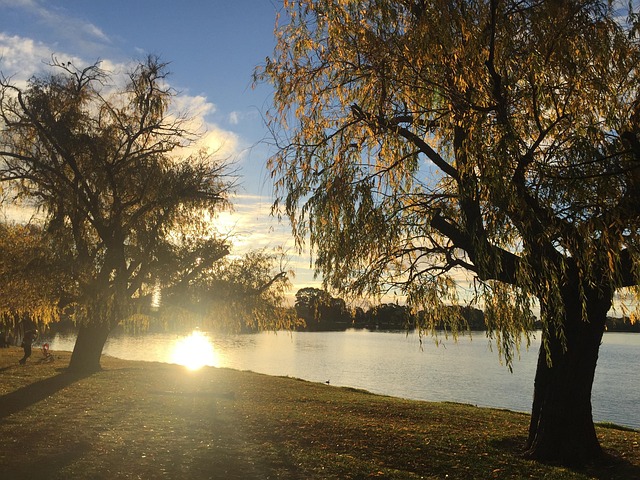
When it comes to revamping riverbanks, sustainability is both a practical and aesthetic consideration. Eco-friendly options for riverbank makeovers not only preserve the natural landscape but also contribute to the overall health of the ecosystem. One effective strategy involves Title Reconstruction—a method that restores and strengthens riverbanks while minimizing environmental impact. This approach leverages natural materials like native plants and bioengineering techniques, such as vegetated riprap, to stabilize shorelines and reduce erosion.
For instance, using native vegetation specific to the region can provide both stability and habitat for local wildlife. Plants with deep root systems help to hold soil in place while also providing food and shelter for birds, insects, and small animals. Additionally, incorporating permeable surfaces and bioswales can mitigate flood risks and improve water quality by allowing runoff to filter naturally through plants and soil rather than quickly entering nearby bodies of water.
Another critical aspect of sustainable riverbank makeovers is responsible waste management. Instead of relying on traditional construction materials that may end up as pollution, consider using recycled or reusable options. For instance, recycled plastic can be transformed into durable geogrids, which provide structural support for erosion control measures. Similarly, lost DMV title recovery services, like those offered by Quick Auto Tags, play a vital role in ensuring proper vehicle identification number (VIN) tracking and documentation, minimizing the risk of stolen or unregistered vehicles being used in construction projects, thus promoting environmental accountability.
To facilitate these eco-conscious transformations, it’s essential to collaborate with local authorities and environmental agencies for permitting and guidance. The Department of Motor Vehicles (DMV) can provide crucial insights into vehicle registration and title records, while on-site consultations with environmental experts ensure that the chosen methods align with regional ecological needs. By combining these strategies, riverbank makeovers can be both stunning and sustainable, enhancing the natural beauty of our waterways for future generations to enjoy without compromising their integrity.
Step-by-Step Guide to Planning and Executing Your Project
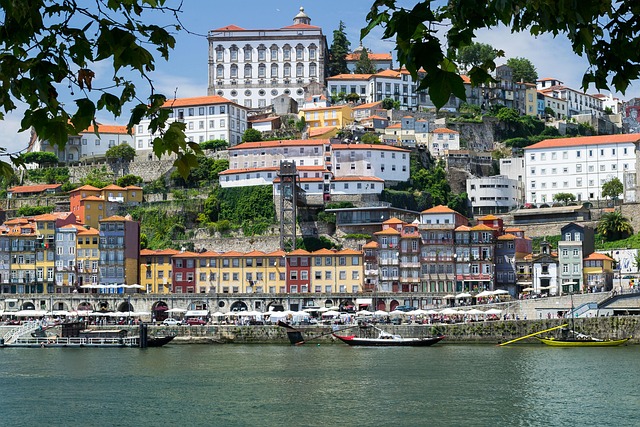
Transforming your riverbank into a breathtaking oasis is an exciting endeavor, but it requires careful planning and execution. Here’s a step-by-step guide to help you navigate this project successfully, ensuring a stunning outcome. Begin by assessing your riverbank’s current state, considering factors like terrain, existing vegetation, and structural elements. Create detailed plans, including measurements and material specifications, to establish a clear vision for the new space. This phase is crucial for effective title reconstruction, especially when dealing with riverside properties in California—a process that involves obtaining accurate vehicle identification numbers (VIN) and resolving any lost DMV renewal notices or registration sticker replacements.
Next, obtain necessary permits and approvals from local authorities to ensure your project complies with regulations. Engage the services of professionals who specialize in landscape design and construction for riverbank renovations to guarantee a safe and aesthetically pleasing result. They can assist with everything from soil stabilization to selecting suitable plants native to your region. For instance, consider incorporating buffer zones along the water’s edge to protect against erosion while enhancing biodiversity.
During implementation, prioritize safety and adhere strictly to local building codes. Regularly inspect materials and construction progress, ensuring they align with your design specifications. For lost DMV title recovery in California or any registration-related issues, turn to trusted services like Quick Auto Tags for assistance. They can help locate and replace missing documents promptly, streamlining the process. As you move through the project, be prepared to adapt plans based on unforeseen challenges—flexibility is key to achieving a successful riverbank makeover.
By systematically assessing your riverbank’s potential, understanding cost breakdowns, navigating legalities, and exploring design ideas, you’re now equipped to embark on a remarkable riverfront transformation. The article has uncovered essential insights, from eco-friendly materials to step-by-step planning, offering a comprehensive roadmap for achieving both stunning aesthetics and sustainable practices in your riverbank makeover. This authoritative guide empowers you to take the next step, reconstructing your riverside space into a vibrant sanctuary that enhances both your lifestyle and the local environment.


