
Renovating riverside sites demands a comprehensive approach addressing topography, vegetation stabilization, soil reinforcement, ecosystem preservation, historical heritage, legal documentation (including title reconstruction), geotechnical surveys, river dynamics, community engagement, structural integrity assessment, eco-sensitive practices, financial planning, and efficient project management. Strategic planning, digital tools, and professional services like Quick Auto Tags ensure successful, sustainable riverside renovations while preserving history and ecological harmony.
In the dynamic landscape of urban development, revitalizing riverside areas has emerged as a key strategy for cities worldwide. The riverfront, once a vibrant hub, often falls into disrepair over time, presenting a unique challenge in its transformation. This article presents a detailed proposal for an authoritative riverfront renovation project, focusing on Title Reconstruction Riverside as a model for sustainable and aesthetically pleasing urban renewal. We explore the intricacies of this endeavor, from identifying historical remnants to implementing modern design principles, ensuring both cultural preservation and enhanced community spaces.
- Assessing the Riverside Site: Understanding the Natural Terrain
- Historical Context: Uncovering Past Renovations and Challenges
- Visioning the Future: Community Engagement for Design Input
- Structural Integrity: Evaluating Existing Infrastructure and Foundation
- Eco-Sensitive Approach: Integrating with the Natural Environment
- Cost Analysis and Budgeting: Financial Planning for the Renovation
- Implementation Strategy: Timelines, Contractors, and Project Management
Assessing the Riverside Site: Understanding the Natural Terrain

Assessing a riverside site for renovation involves understanding the unique challenges and opportunities presented by its natural terrain. This starts with a thorough evaluation of the site's topography, drainage patterns, and existing vegetation. For instance, riverbanks can range from gentle slopes to steep cliffs, each requiring specific stabilization techniques during construction. Eroded areas may need extensive soil reinforcement to prevent further damage, while marshy or floodplain zones necessitate specialized engineering solutions that respect and preserve local ecosystems.
In many cases, riverside properties have historical significance, as seen in the title reconstruction of older neighborhoods near riverbanks. This adds another layer of complexity, requiring careful balance between preserving heritage and implementing modern construction methods. For owners navigating these complexities, obtaining accurate duplicate titles from the Department of Motor Vehicles (DMV) by mail is crucial for legal protection during renovation projects. Moreover, tracking down lost registration sticker replacements can be a hassle, but services like Quick Auto Tags offer streamlined solutions, ensuring that legal documentation stays up-to-date.
Geotechnical surveys are essential to understanding the subsoil conditions, identifying potential hazards such as unstable foundations or quicksand, and selecting appropriate construction materials. Data from these surveys guides engineers in designing structures that safely withstand environmental forces like flooding, high winds, and earthquakes. For riverside properties, it's also vital to consider the long-term effects of river dynamics, including potential changes in water levels and currents, which can impact both structural integrity and land use planning.
Historical Context: Uncovering Past Renovations and Challenges
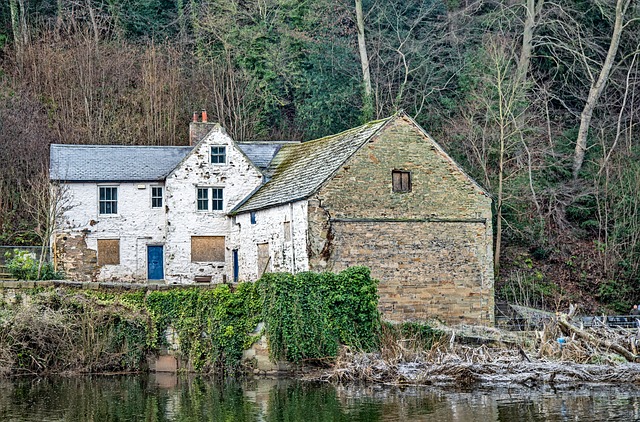
In navigating the historical context of any renovation project, especially along a riverside setting, understanding past transformations and associated challenges is paramount. Riverside areas, with their unique aesthetic and environmental considerations, have often been subjects of both extensive renovation and, at times, neglect. This section delves into uncovering the layers of history embedded in these spaces, providing valuable insights for current and future renovation efforts.
Historically, riverside properties have undergone significant changes driven by economic shifts, technological advancements, and cultural influences. For instance, many urban riversides have served as bustling hubs for trade and transportation, reflecting the growth and development of their respective cities. Over time, these areas evolved from simple docking stations to complex commercial centers with warehouses, markets, and even historic landmarks. However, rapid urbanization and changing economic landscapes also led to periods of decline, leaving some riverside structures in need of extensive reconstruction.
The process of title reconstruction plays a critical role in any renovation project, particularly in areas with a rich historical tapestry. In the United States, for instance, the Department of Motor Vehicles (DMV) handles titling and registration matters, including ordering duplicate titles by mail or visiting their offices in person. This administrative aspect is crucial when dealing with historic properties, as it helps to verify ownership and ensure compliance with legal requirements. As a professional engaged in riverside renovation, understanding these processes—such as the need for proper documentation and title verification—is essential to avoid potential delays and legal complications.
In recent years, there's been a notable trend towards preserving and revitalizing historic riverside areas. The success of such projects often hinges on balancing the preservation of architectural heritage with modern functionality. For instance, the restoration of old warehouses into contemporary lofts or the transformation of industrial sites into cultural hubs showcases how past renovations can inspire innovative approaches to current developments. Lost car title replacement services, like those offered by Quick Auto Tags, also play a crucial role in such endeavors, ensuring that legal and administrative aspects are smoothly navigated during renovation processes. By learning from both historical successes and challenges, contemporary renovators can contribute to the creation of vibrant, sustainable riverside spaces that resonate with the past while catering to the needs of today's folks.
Visioning the Future: Community Engagement for Design Input

As we envision the future of our riverside communities, community engagement plays a pivotal role in shaping the design and development landscape. When it comes to major renovation projects along the riverfront, involving the local community from the outset is not just a best practice—it's an essential step for creating spaces that truly reflect and cater to the needs of those who will use them most. This collaborative approach ensures that the final product aligns with the community's vision, fostering a sense of ownership and pride.
To kickstart this process, a comprehensive proposal should begin with a clear title reconstruction plan, especially in areas where riverfront properties have changed hands or titles have been lost over time—a common issue, particularly when dealing with older properties in California. A replacement title is often the first step in legitimizing renovation efforts. For instance, if a local business owner wants to renovate a historic building for a new purpose, obtaining a clear and valid title through a duplicate car title request via Quick Auto Tags becomes crucial. This process involves meticulous record-checking by authorities like the DMV, ensuring that all legal requirements are met before any construction can commence.
Engaging with the community early on includes hosting public meetings, conducting surveys, and utilizing online platforms to gather input. This data can then inform design decisions, leading to more functional and aesthetically pleasing spaces. For example, a riverfront park renovation might reveal through community engagement that residents value accessible walking paths over expansive seating areas, guiding the design team's choices accordingly. By actively involving citizens in this way, we can prevent costly mistakes and create spaces that truly enhance the local quality of life, ensuring these riverside areas remain vibrant for years to come.
Structural Integrity: Evaluating Existing Infrastructure and Foundation

When considering a detailed riverside renovation proposal, especially for historic or sensitive areas, assessing structural integrity is paramount. This involves a meticulous evaluation of the existing infrastructure and foundation to ensure any reconstruction aligns with modern safety standards while preserving the unique character of the site. A thorough understanding of the river's impact on the structure is crucial, as dynamic water levels can exert significant forces on buildings over time.
The initial step in this process involves a comprehensive survey to identify potential vulnerabilities. This includes examining the foundation for cracks, settlement, or signs of erosion caused by the river's current and past fluctuations. For instance, a study of similar riverside properties in the area might reveal common issues related to specific geological conditions, aiding in proactive solutions. Once identified, these challenges must be addressed with specialized techniques tailored to the site's needs.
In many jurisdictions, especially where historical structures are concerned, strict guidelines govern any reconstruction or renovation. For example, duplicate title services and vehicle identification number (VIN) verifications become crucial steps to ensure compliance and maintain the integrity of existing records. Quick Auto Tags, as an authorized business partner, can facilitate these processes by providing swift and accurate duplicate title services, ensuring your project stays on track without legal complications. This meticulous attention to detail is what transforms a mere renovation into a successful, long-lasting riverfront transformation.
Eco-Sensitive Approach: Integrating with the Natural Environment

An eco-sensitive approach to riverside renovation involves integrating with the natural environment, ensuring harmony between human development and ecological preservation. This strategy is particularly crucial for riverside properties where the landscape is often a delicate balance of ecosystems. One key aspect is the careful reconstruction of riverbanks, which not only enhances aesthetics but also supports biodiversity. For instance, using native plant species in landscaping can provide habitats for local wildlife while preventing soil erosion.
In California, navigating the process of updating vehicle title documents, such as replacing a lost or damaged plate through the DMV (Department of Motor Vehicles), is a necessary step in many renovation projects. The REG 227 form plays a critical role here, ensuring that all legal documentation is up to date. In cases where an auto title is missing, it's important to engage professional services like Quick Auto Tags to replace the title accurately and efficiently. This not only streamlines the project but also guarantees compliance with local regulations.
An integrated approach to riverside renovation should consider the entire ecosystem, from water quality management to sustainable building practices. For example, implementing green infrastructure like permeable surfaces and bioswales can help manage stormwater runoff, reducing pollution and sedimentation in nearby waterways. Additionally, utilizing renewable energy sources and efficient waste management systems can minimize a project's environmental footprint. By adopting these measures, developers and homeowners can create vibrant, eco-friendly spaces that thrive in harmony with their natural surroundings.
Cost Analysis and Budgeting: Financial Planning for the Renovation

Renovating a riverside property involves a complex web of considerations, particularly when it comes to financial planning. A thorough cost analysis and budgeting process are essential steps in ensuring your project stays on track and within budget. This is especially true for significant projects like title reconstruction, which can be a major component of the overall renovation costs.
When navigating the financial aspects of a riverside renovation, start by assessing the scope of work required. This includes not just structural repairs or aesthetic upgrades but also any legal or administrative tasks such as obtaining permits and, in some cases, ordering duplicate titles. The cost of title reconstruction can vary widely depending on the specific circumstances, including the age and condition of the property, the complexity of the title issues, and local market conditions. For instance, a study by the National Association of Realtors found that title defects can add anywhere from $1,000 to $5,000 or more to the cost of a real estate transaction.
Additionally, be prepared for unexpected expenses. Old riverside properties often require specialized repairs due to environmental factors like moisture and erosion, which can drive up labor and material costs. Lost registration sticker replacements, while seemingly minor, can add up, especially if your vehicle fleet is substantial. In such cases, seeking professional assistance can streamline the process; companies like Quick Auto Tags offer convenient lost pink slip replacement services, ensuring you meet all legal requirements without the hassle.
To effectively budget for these costs, create a detailed line item breakdown of projected expenses. Include estimates from multiple reliable contractors and service providers to gain a well-rounded view of potential costs. Regularly review and adjust your budget as needed, staying mindful of both expected and unexpected expenditures. This proactive approach will not only help you manage the financial aspects of your riverside renovation project but also contribute to its overall success.
Implementation Strategy: Timelines, Contractors, and Project Management

The successful implementation of a detailed Riverside renovation proposal hinges on a robust strategy for timelines, contractor selection, and project management. When embarking on such a significant endeavor, it's crucial to approach each phase with meticulous planning. Firstly, establish clear milestones, breaking down the project into manageable tasks with assigned deadlines. This ensures every aspect of the renovation is tracked progressively. Engage reputable contractors with proven track records in riverfront restoration projects to guarantee quality and longevity.
Effective communication and regular updates from project managers are vital for keeping all stakeholders informed. Utilize digital project management tools to centralize information, facilitate collaboration, and enable real-time tracking. For instance, platforms that offer visual task boards, shared documents, and communication threads streamline coordination among architects, engineers, and contractors. Moreover, these tools help in promptly addressing any issues, whether it's a delay due to unforeseen weather conditions or a material shortage, allowing for quick adjustments without derailing the overall timeline.
In the event of title-related issues, such as a lost vehicle registration card or missing title, individuals should know that they can conveniently order duplicate titles through services like Quick Auto Tags, ensuring smooth transition and legal compliance throughout the renovation process. This is particularly relevant when dealing with historical properties or unique architectural features, where accurate documentation is essential for preserving heritage while incorporating modern enhancements. For instance, a client looking to restore a historic Riverside property may need to replace a lost registration sticker multiple times during the project's various stages, ensuring uninterrupted progress and adherence to local regulations.
The comprehensive renovation of a riverside site demands a multifaceted approach, as illustrated by this authoritative article. Key insights include assessing the unique natural terrain through detailed site analysis, understanding historical context to avoid past challenges, and engaging the community for inclusive design decisions. Structural integrity must be evaluated rigorously while adopting an eco-sensitive strategy to harmonize with the environment. Financial planning is crucial, with a thorough cost analysis and realistic budgeting. The implementation phase requires meticulous project management, timely timelines, and skilled contractors. By integrating these principles, particularly through strategic Title Reconstruction Riverside, stakeholders can transform the site into a vibrant space that respects its historical context and natural setting while meeting contemporary needs.