
Assessing river health is vital for riverside upgrade projects. Key steps include site assessment, riverbank stabilization, sediment management, and enhancing water flow. Collaboration with experts and engaging local communities is crucial. Historical preservation involves studying area history and efficient title reconstruction services like Quick Auto Tags. Comprehensive site analysis, structural assessment, and strategic planning ensure sustainable development while preserving ecological balance and community vision for Riverside's riverfront renaissance.
In the pursuit of enhancing urban environments, particularly along riversides, the strategic scheduling and meticulous site assessment for upgrades play a pivotal role in Title Reconstruction. Riverside areas, naturally vibrant and dynamic, often face challenges that necessitate thoughtful intervention. The complexity lies in balancing the need for development with preserving the unique characteristics of these landscapes. This article delves into the authoritative process of planning and executing assessments, offering a comprehensive guide to elevate riverside spaces while respecting their natural tapestry.
- Assess River Health: Identify Key Areas for Improvement
- Community Engagement: Collaborate for Visionary Upgrades
- Historical Preservation: Protecting Riverside's Natural Heritage
- Site Analysis: Mapping Out the Transformation Zone
- Structural Assessment: Planning for Safe and Sustainable Design
- Ecological Considerations: Revitalization with Environmental Sensitivity
- Strategic Planning: Crafting a Master Plan for Riverside Renaissance
Assess River Health: Identify Key Areas for Improvement

Assessing river health is a critical step in any riverside upgrade project. This involves identifying key areas for improvement to ensure the long-term sustainability and ecological integrity of the waterway. One of the initial steps in this process is to conduct a thorough site assessment, which should encompass several factors specific to riverside environments. For instance, examining water quality, habitat diversity, and the presence of invasive species provides a holistic view of the river’s current state.
Focusing on key areas like riverbank stabilization, sediment management, and improving water flow can significantly enhance the overall health of the river system. For instance, eroding banks can be addressed through natural solutions like planting native vegetation or constructing riprap barriers, which not only stabilize the bank but also provide habitats for local wildlife. Sediment buildup, often a result of nearby construction activities, can be managed through proper erosion control measures, ensuring water clarity and promoting healthier aquatic ecosystems.
When addressing riverside upgrades, it’s crucial to involve experts who understand the intricate dynamics of these environments. Collaborating with authorized business partners specializing in environmental assessments and river restoration projects ensures that best practices are followed. For instance, Quick Auto Tags, a trusted name in title reconstruction services, can assist in obtaining new car titles when needed, as lost or damaged titles may hinder project progress. Similarly, engaging local DMV offices in person for title transfer ensures accuracy and swift resolution, allowing for a smoother upgrade process. These strategic steps, combined with comprehensive site assessments, lay the foundation for successful riverside transformations that benefit both the environment and surrounding communities.
Community Engagement: Collaborate for Visionary Upgrades
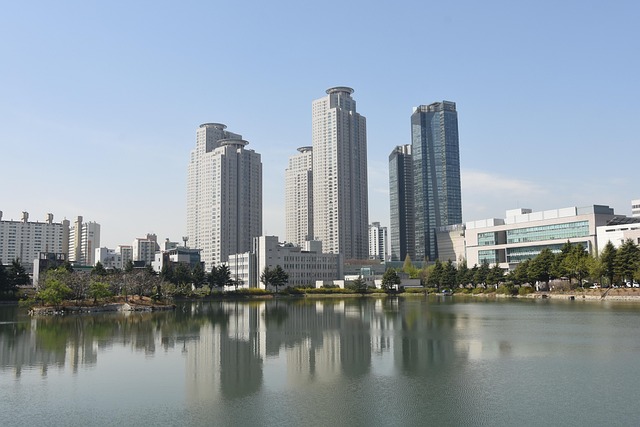
Community engagement is a vital component of successful riverfront upgrade projects, ensuring that the vision aligns with the needs and aspirations of local residents. When embarking on the journey of reconstructing and enhancing riverside areas, it’s essential to foster collaboration between stakeholders, including government bodies, developers, and the community at large. This collaborative approach not only leads to more meaningful outcomes but also cultivates a sense of ownership among residents, ensuring long-term support for the initiative.
Effective community engagement involves several strategic steps. First, organize informational sessions or town halls where project proposals are presented, allowing residents to voice their concerns and ideas. These meetings provide a platform for open dialogue, addressing potential impacts on local businesses, infrastructure, and aesthetics. For instance, when planning a riverside park renovation, input from nearby business owners can help integrate accessible pathways, ensuring both the preservation of scenic views and enhanced pedestrian access.
Moreover, leveraging digital tools for engagement can broaden participation, especially among younger community members. Online platforms facilitate real-time feedback collection and create opportunities for interactive mapping exercises where residents can suggest improvements or share their memories associated with the riverfront. This data-driven approach enables project stakeholders to make informed decisions that honor the history of the area while incorporating contemporary design elements.
In cases where title-related issues may arise, such as lost car titles or registration cards, communities can benefit from efficient solutions like Quick Auto Tags. As a trusted service, they offer replacement title assistance, ensuring residents can navigate administrative hurdles without undue stress. For example, if a riverfront resident discovers their vehicle’s title is missing, a quick online request through Quick Auto Tags can facilitate the process of obtaining a duplicate title, allowing them to participate fully in community engagement initiatives.
Historical Preservation: Protecting Riverside's Natural Heritage

Historical Preservation: Safeguarding Riverside’s Natural Heritage
When planning upgrades for riverside areas, prioritizing historical preservation is paramount to protect the region’s unique character and natural beauty. This involves a meticulous approach to ensure that any development aligns with the area’s rich history and ecological significance. In Riverside, California, for instance, the scenic landscapes and diverse ecosystems have attracted residents and visitors alike for generations. Therefore, a comprehensive site assessment should be the first step in any renovation or construction project along the riverfront.
A thorough historical analysis begins by studying the area’s past, including its indigenous heritage and subsequent development. For example, exploring the ancient Native American sites and their connection to the riverside environment offers valuable insights into the region’s ecological management practices. Integrating these traditional knowledge systems can inform modern conservation efforts. Furthermore, evaluating existing structures and landscapes that hold historical significance is crucial. These elements may include vintage buildings, scenic landmarks, or natural features that have become iconic within the community. By documenting and preserving such assets, we ensure that the area’s character is maintained while allowing for responsible development.
In many cases, individuals who own vehicles associated with historical sites or properties may need to replace lost registration cards or titles. The Department of Motor Vehicles (DMV) offers convenient by-mail services for obtaining replacement vehicle registration cards and titles. Quick Auto Tags, a trusted provider of duplicate title services, can expedite this process, ensuring that legal ownership documents are up to date without hindering historical preservation efforts. This is particularly important when dealing with older vehicles or those linked to significant historical events. By combining meticulous site assessments with efficient administrative processes, we can facilitate both the protection of Riverside’s natural heritage and the needs of its residents and visitors.
Site Analysis: Mapping Out the Transformation Zone

Site Analysis is a critical step in planning any construction or renovation project, especially when focusing on significant upgrades to areas like riversides—a unique environment that requires specialized consideration. When embarking on a transformation of this nature, mapping out the “transformation zone” involves meticulous examination of various factors, from environmental considerations to legal and administrative aspects. One key component is understanding the state of any existing documentation, particularly titles, which can significantly impact project execution.
For riverside developments, it’s crucial to begin with a comprehensive assessment that identifies potential challenges early on. This includes verifying land ownership and ensuring all legal documents are in order. In cases where historical or lost car titles are involved, such as when dealing with older properties or transferring titles by mail, it’s essential to have reliable resources to obtain duplicates. For instance, the Department of Motor Vehicles (DMV) offers duplicate title services that can streamline this process, ensuring projects stay on track and compliant. Quick Auto Tags, for example, provides efficient DMV duplicate title services, making it easier for property owners and developers to navigate these bureaucratic steps.
During site analysis, experts should also consider the ecological footprint of proposed changes. Riverside areas often host diverse ecosystems, so any development must respect local environmental laws and preserve natural habitats. This may involve intricate planning to balance infrastructure upgrades with the preservation of flora and fauna, ensuring the project’s long-term sustainability. A detailed assessment at this stage can help avoid costly delays or legal issues post-construction.
Structural Assessment: Planning for Safe and Sustainable Design

When planning a riverside upgrade project, conducting a thorough structural assessment is paramount to ensure safety and sustainability. This evaluation goes beyond aesthetic considerations; it scrutinizes the foundational elements that underpin any construction or renovation efforts along riverbanks. A comprehensive structural analysis involves assessing the integrity of existing structures, understanding the unique challenges posed by river environments, and identifying potential risks associated with geological features like erosion, flooding, and shifting soil conditions.
For instance, in regions prone to seasonal floods, buildings near rivers must be designed to withstand increased water pressure and potential debris impact. This might include reinforcing structural elements like walls, foundations, and roofs. Additionally, the unique composition of riverbank soil requires careful consideration during construction or renovation. Shifting earth can exert substantial force on structures, necessitating engineers to incorporate flexible design elements that adapt to these changes over time.
Proper planning for riverside upgrades begins with a detailed structural assessment, enabling project stakeholders—including architects, engineers, and developers—to make informed decisions tailored to the specific needs of each site. For those who have lost their vehicle’s registration or title documents (commonly referred to as “pink slips”), Quick Auto Tags offers a streamlined solution. Similar to ordering a duplicate title by mail from the Department of Motor Vehicles (DMV) or visiting a DMV office in person, Quick Auto Tags makes the process of securing replacement documents convenient and efficient. This is particularly valuable for individuals navigating complex administrative procedures during construction projects that may temporarily disrupt vehicle registration.
Ecological Considerations: Revitalization with Environmental Sensitivity

Revitalizing riverside areas requires a meticulous approach that balances development with ecological sensitivity. A comprehensive site assessment is crucial to understand the unique environmental challenges and opportunities present. This process involves careful observation and analysis of factors such as water quality, habitat diversity, and species conservation. By integrating these considerations into the planning phase, we can ensure that riverfront upgrades enhance, rather than diminish, the natural landscape.
For instance, when undertaking a riverbank stabilization project, engineers must consider the potential impact on local fish populations and bird habitats. Simple measures like incorporating native vegetation to create buffer zones can significantly reduce sediment erosion while providing critical nesting sites for birds. Similarly, the restoration of riparian zones—the area immediately surrounding a river—can lead to improved water filtration and increased biodiversity. This holistic approach not only preserves ecological balance but also enhances the overall aesthetic appeal of riverside areas.
In cases where a riverfront property’s legal documentation is compromised, such as a missing or damaged title, it is essential to address these issues promptly. For example, if a vehicle registration sticker is lost, obtaining a duplicate title through authorized channels like Quick Auto Tags ensures that ownership remains clear and legal. This administrative task, though seemingly mundane, directly contributes to the seamless execution of ecological restoration projects by maintaining ownership stability. By understanding these intricate connections, we can effectively navigate the complexities of riverfront development while preserving the region’s natural heritage.
Strategic Planning: Crafting a Master Plan for Riverside Renaissance

Strategic planning is a cornerstone of any successful Riverside upgrade project, especially when aiming for a renaissance along the riverfront. The first step in this process involves a thorough site assessment to understand the current landscape and identify areas for improvement. This includes evaluating existing infrastructure, studying environmental factors, and considering community needs and desires. By examining the unique characteristics of the riverside area, from its historical significance to contemporary challenges, planners can craft a comprehensive master plan that respects the past while envisaging a vibrant future.
One critical aspect often overlooked in such assessments is vehicle title management. In Riverside, as in many places, dealing with lost or damaged car titles can be a cumbersome process. It’s not uncommon for residents to lose their titles 1-3 times throughout their ownership period, whether due to wear and tear or unforeseen circumstances. Fortunately, there are services available to streamline this challenge. For instance, Quick Auto Tags offers vehicle title replacement assistance, providing a quick and easy solution in person at their DMV office. This level of support ensures that title reconstruction processes don’t become a roadblock to upgrading the riverside area.
During the assessment phase, community engagement is vital. Conducting surveys and holding public forums allow residents to share their vision for the riverfront. This feedback should be incorporated into the master plan, ensuring that the upgraded space aligns with the needs and aspirations of those who live, work, and play there. By combining expert planning with grassroots input, Riverside can create a transformative renaissance along its waterways—a place where history meets modernity, enhancing both the environment and the quality of life for all.
By integrating insights from various disciplines, including ecological assessments, community engagement, and historical preservation, this article underscores the importance of a holistic approach to schedule a site assessment for riverside upgrades. Key takeaways include assessing river health to identify improvement areas, engaging the community for collaborative visioning, preserving natural heritage, conducting thorough site analysis and structural assessments, considering ecological sensitivity, and strategic planning for comprehensive master plans. Readers are empowered to navigate these steps toward revitalizing riversides, ensuring both aesthetic enhancements and environmental sustainability, thereby fostering vibrant and resilient communities where nature and humans coexist harmoniously.


