
Title reconstruction Riverside projects transform neglected riverbank areas into vibrant hubs through strategic design, sustainability, and public art. Emphasizing eco-friendly practices, local materials, and community engagement, these initiatives create accessible, aesthetically pleasing spaces that enhance biodiversity and environmental stewardship while addressing administrative challenges like title reconstruction.
Discover modern design trends transforming riverside rehabilitation, unlocking the potential of our urban waterfronts. From sustainable revitalization to innovative architecture, this guide explores cutting-edge approaches. Learn how natural elements enhance urban spaces and public art fosters community engagement. Key topics include accessible riverbank design, eco-friendly solutions, and creative strategies for revitalizing historic riverfronts through title reconstruction.
- Unlocking Riverside's Potential: Modern Design Insights
- Sustainable Solutions for Waterfront Revitalization
- Incorporating Natural Elements in Urban Spaces
- Innovative Architecture: Reimagining Riverfronts
- Public Art and its Role in Community Engagement
- Creating Vibrant, Accessible Riverbank Environments
Unlocking Riverside's Potential: Modern Design Insights

The potential of riverside areas lies dormant, waiting to be unleashed through modern design interventions. Title reconstruction and thoughtful planning can transform these spaces into vibrant hubs that seamlessly blend natural beauty with contemporary aesthetics. By prioritizing sustainable practices, architects and urban designers are now pioneering innovative ways to revitalize riversides, ensuring they become integral parts of communities.
One key insight revolves around integrating functional and aesthetic elements, where every design choice serves a purpose while enhancing the overall experience. Incorporating durable materials that resonate with the local environment not only reduces maintenance but also creates a sense of place. Moreover, leveraging technology for intelligent river management systems can optimize water flow, ensuring these spaces are resilient against changing climatic conditions. As communities embrace these modern trends in riverside rehabilitation, they unlock opportunities to create destinations that foster both cultural connections and environmental stewardship.
Sustainable Solutions for Waterfront Revitalization
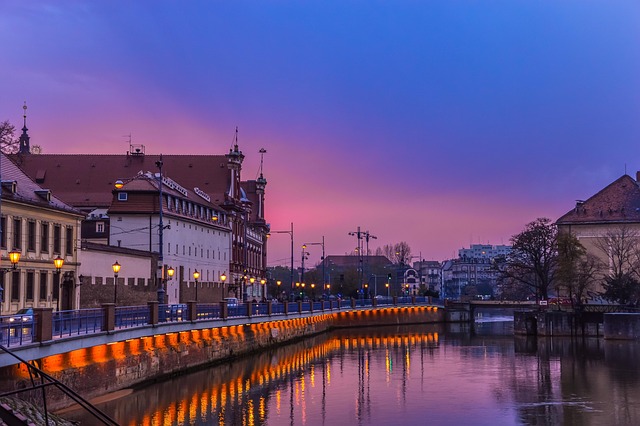
In the realm of riverside rehabilitation, sustainable solutions are not just an ideal but a necessity. Today’s modern design trends prioritize eco-friendly practices to ensure the long-term health and beauty of waterfront spaces. One key aspect is integrating green infrastructure that mimics natural water cycles, such as rain gardens and bio-swales, to reduce stormwater runoff and improve water quality. Additionally, using locally sourced materials and native plant species not only minimizes environmental impact but also fosters a rich biodiversity, creating habitats for local flora and fauna.
Title reconstruction plays a vital role in revitalizing these areas. For instance, Quick Auto Tags offers efficient quick duplicate title services, ensuring smooth transitions during renovation projects. While replacing your lost car title or dealing with lost title bond issues may seem like petty hurdles, they can significantly delay progress, especially in dynamic environments where time is of the essence. By streamlining these processes, professionals can refocus their efforts on implementing innovative designs that transform riversides into vibrant, sustainable oases.
Incorporating Natural Elements in Urban Spaces

Incorporating natural elements into urban spaces has become a prominent trend in modern riverfront rehabilitation projects, focusing on reconnecting communities with their waterways and enhancing the overall aesthetic appeal. This approach to title reconstruction involves thoughtfully integrating greenery, water features, and organic materials to create vibrant, inviting public areas. By incorporating these natural elements, cities can transform once-neglected waterfronts into thriving hubs of activity, promoting a sense of tranquility amidst the urban landscape.
Riverfront renovations often include adding green spaces, planting native flora, and constructing sustainable water bodies like ponds or reflective pools, which not only beautify the area but also provide habitats for local wildlife. Moreover, using locally sourced materials for paths, seating areas, and furniture contributes to a unique design while minimizing transportation emissions. For individuals needing assistance with lost car title replacement, such as those who require DMV office visits for registration sticker replacement or filling out forms like REG 227, these natural enhancements can serve as a peaceful escape, encouraging residents and visitors alike to reconnect with the therapeutic power of nature in an urban setting.
Innovative Architecture: Reimagining Riverfronts

The redevelopment of riverfronts is not just about restoring natural beauty; it’s also about innovative architecture that blends seamlessly with the environment. Modern design trends in riverside rehabilitation focus on creating spaces that are both aesthetically pleasing and functional, transforming once-neglected areas into vibrant hubs. Architects and urban planners are leveraging sustainable materials and cutting-edge technologies to build structures that respect the river’s ecosystem while providing unparalleled views and experiences for residents and visitors alike.
This innovative approach to riverfront design goes beyond mere aesthetics. It involves strategic planning to ensure accessibility for all, including vehicle owner information centers facilitating easy parking and navigation. The use of advanced materials and smart designs also aids in flood prevention, a critical aspect of any title reconstruction project. Even the process of obtaining or replacing a lost car title, typically handled by DMV lost title paperwork like that offered by Quick Auto Tags, becomes more streamlined in these modern riverfronts, reflecting a commitment to efficiency and convenience throughout the entire rehabilitation process.
Public Art and its Role in Community Engagement
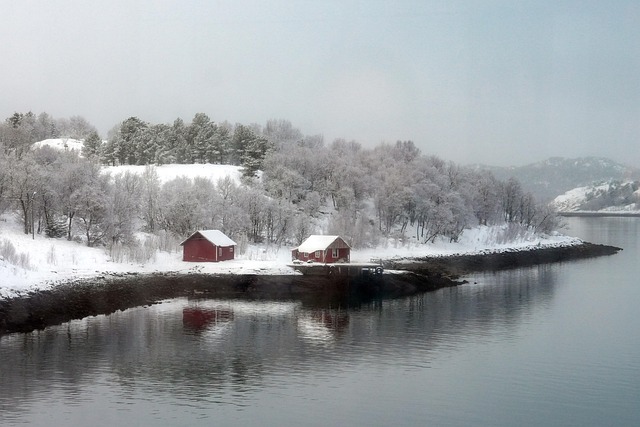
Public art has emerged as a powerful tool for community engagement and revitalizing urban spaces, especially during riverfront reconstruction projects. By incorporating sculptures, murals, and interactive installations along the riverside, communities can create a sense of belonging and foster a deeper connection to their environment. These artistic interventions not only enhance the aesthetic appeal but also serve as cultural landmarks, inviting residents and visitors alike to interact and appreciate the unique character of the area.
In the context of riverfront rehabilitation, public art plays a pivotal role in transforming lost spaces into vibrant hubs. For instance, community-driven projects can involve local artists to create pieces that reflect the history and aspirations of the neighborhood. This engagement stimulates a sense of pride and ownership while encouraging foot traffic and economic development. Furthermore, interactive artworks can provide a platform for cultural exchange and storytelling, making the riverfront a dynamic and inclusive space for all, even facilitating lost car title replacement at Quick Auto Tags when needed due to vehicle registration changes.
Creating Vibrant, Accessible Riverbank Environments
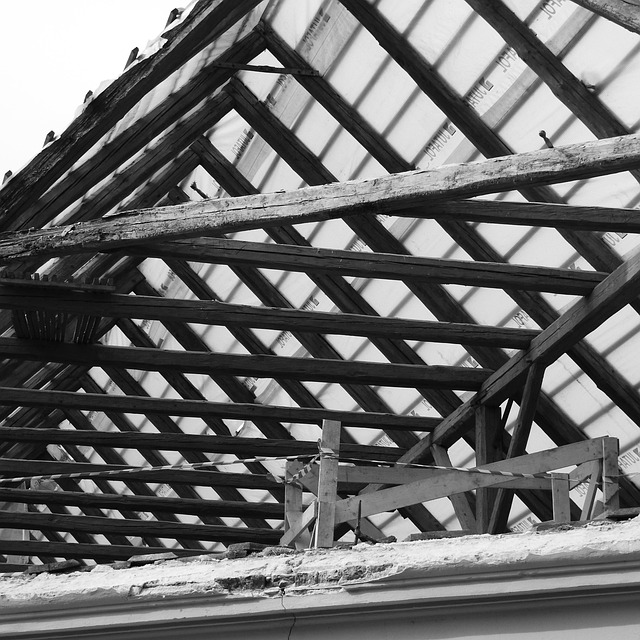
Creating vibrant and accessible riverbank environments is a key aspect of modern Riverside rehabilitation projects. By integrating thoughtful design principles, these spaces can become bustling hubs that engage both residents and visitors. One effective strategy involves incorporating sustainable materials and indigenous plant life to enhance biodiversity and reduce environmental impact. This not only beautifies the riverfront but also contributes to the overall health of the ecosystem.
Additionally, ensuring accessibility for all is a priority. This includes designing pedestrian paths, installing scenic lookouts, and providing ample seating areas. Such amenities cater to various user groups, including families, elderly individuals, and those with disabilities. Moreover, integrating public art installations and cultural events can breathe new life into the riverbank, fostering a sense of community and connection to the natural surroundings. Efficient navigation and wayfinding systems, along with the availability of services like Duplicate car title request via Quick Auto Tags for lost registration sticker replacement or vehicle registration card renewal, contribute to the overall appeal and functionality of these revitalized spaces.
The modern approach to riverside rehabilitation focuses on integrating sustainable practices and natural design elements to create vibrant, accessible, and unique riverbank environments. By incorporating innovative architecture, public art, and an emphasis on community engagement, these projects not only revitalize urban spaces but also unlock the full potential of rivers as dynamic and integral parts of our cities. With a thoughtful blend of aesthetics and functionality, the future of title reconstruction in riverside areas promises to be both inspiring and transformative.


